
How to Make Money in RDR2 Fast: Story Mode Guide
Learn how to earn cash fast as Arthur Morgan in Red Dead Redemption 2 story mode, starting with easy Chapter 2 gold bars and moving on to hunting, bounties, and smart selling.
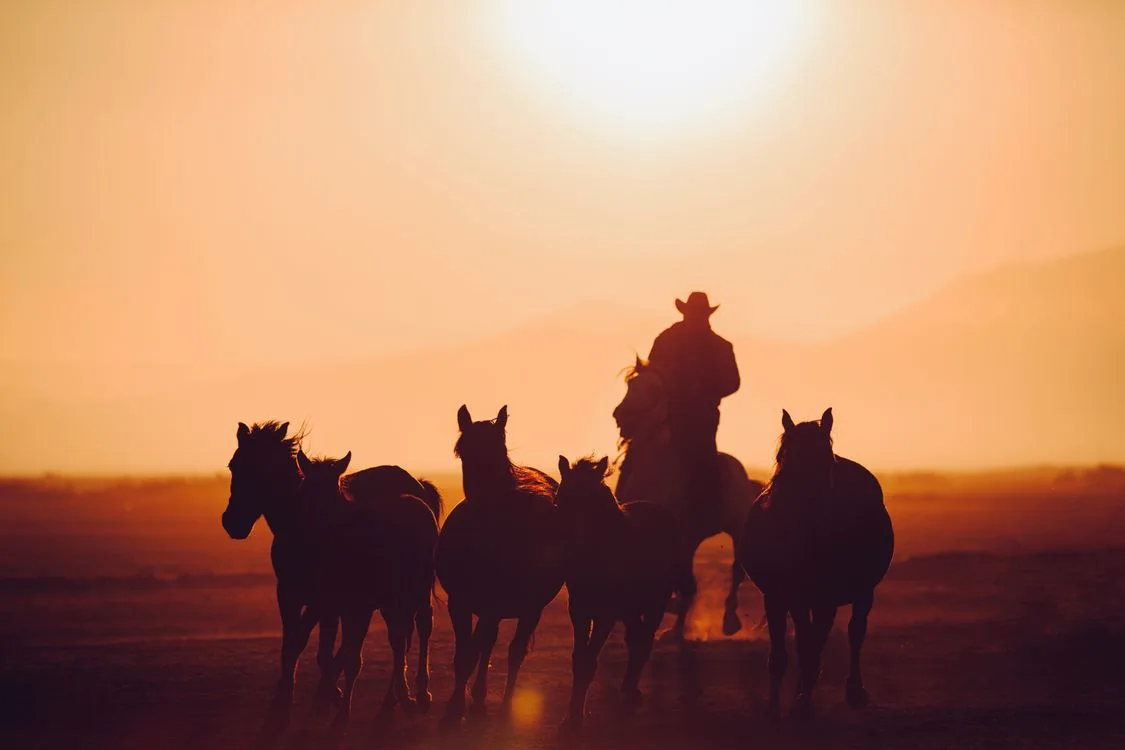
To learn how to make money in rdr2, start in Chapter 2 with gold bars, which sell for $500 each at a fence. Then keep earning with story missions, perfect pelts, and bounty hunting, and sell loot only to the right buyer. Avoid wasting money early, because high Honor discounts later save you a lot.
In this guide
- How to make money in rdr2: ranked methods at a glance
- 1. Treasure maps and gold bars: the best early money
- 2. The best early-game route, step by step
- 3. Story missions: steady pay for playing the game
- 4. Hunting perfect pelts: the best repeatable income
- 5. Bounty hunting: good pay, limited supply
- 6. Train and stagecoach robbery, and fencing loot
- 7. Fishing, horses, and looting: small money that adds up
- 8. High Honor discounts: how to save money, not just earn it
- Tips that save time and money
- Common mistakes to avoid
- Troubleshooting: why is my money plan not working?
- What to buy first with your money
If you want to know how to make money in rdr2 without endless grinding, start with one simple rule: go for guaranteed money first, then repeatable money. Guaranteed money means gold bars and treasure you can find once and sell for a fixed price. Repeatable money means hunting, fishing, bounties, and robberies you can do again and again. This guide covers story mode only, playing as Arthur Morgan. It does not cover Red Dead Online, which has different money, prices, and missions.
Money matters in Red Dead Redemption 2 because good weapons, horses, clothes, camp upgrades, and supplies all cost cash. Early in the game, Arthur often feels broke. That changes fast once you know where the big payouts are. You do not need to rob everyone you meet, and you do not need a glitch. The honest methods below are more than enough to buy what you need and still have cash left over.
- Gold bar sale price
- $500 each at a fence Best early gold bar|Limpany, in the burned Sheriff's Office, available in Chapter 2 Biggest treasure payout listed here|Poisonous Trail treasure — 4 gold bars ($2,000) Highest shop discount|50% off at high Honor (rank 7 and above, as reported by multiple guides) Black Arabian price|$1,050 at the Saint Denis stable, from Chapter 4 onwards Story mode only|This guide does not cover Red Dead Online methods
How to make money in rdr2: ranked methods at a glance
The table below ranks the main methods from best to weakest for most players. "Earnings" is a rough guide, not a promise for every trip, because hunting and robbery payouts change with what you find. Treasure is different: once you know the location, the payout is fixed.
| Method | Typical earnings | Difficulty | Repeatable? |
|---|---|---|---|
| Treasure maps and gold bars | $500 per gold bar; $1,000–$2,000 per treasure chain | Easy to medium | No — one time each |
| Story missions | Varies by mission | Easy to medium | No — one time each |
| Hunting perfect pelts | Varies by animal; perfect pelts pay more than poor ones | Medium | Yes |
| Bounty hunting | Varies by target | Medium | Limited — posters run out |
| Train and stagecoach robbery, then fencing loot | Varies by loot | Medium to hard | Yes |
| Fishing | Small to medium per catch | Easy | Yes |
| Selling horses to stables or the horse fence | Varies by horse and bond | Easy to medium | Yes |
| Looting bodies and buildings | Small amounts, adds up over time | Easy | Yes |
| High Honor shop discounts | Saves up to 50% on purchases | Easy, but takes time to build | Yes, while Honor stays high |
Notice the pattern. The biggest single payouts come early from treasure. The steadiest long-term income comes from hunting and selling. Robbery can pay well, but it costs Honor, raises your bounty, and can turn a quiet ride into a shootout with lawmen. Use it as a bonus, not as your only plan.
1. Treasure maps and gold bars: the best early money
Gold bars are the fastest honest way to get rich early. Each gold bar sells for $500 at a fence. That is a huge amount in the early game, when most items cost only a few dollars. A single bar can pay for a good weapon, supplies, and a camp upgrade, with money left over.
You cannot sell gold bars at a normal general store. You need a fence, a buyer who deals in stolen and valuable goods. Fences are found at Emerald Ranch, Rhodes, Van Horn Trading Post, and Saint Denis. The Saint Denis fence, in the market area on the east side of the city, is the one most guides point to for gold bars, so if you are unsure, take your bars there. Fences are unlocked through Chapter 2 story progress, so if a fence will not deal with you yet, keep playing the main missions first.
Treasure-map chains end in gold bars. You follow a series of maps and clues, and the final stash contains bars. Two chains are widely reported as startable early, in Chapter 2: the Jack Hall Gang treasure and the Poisonous Trail treasure. The Jack Hall Gang treasure ends with 2 gold bars, worth $1,000. The Poisonous Trail treasure ends with 4 gold bars, worth $2,000. Other reported treasure payouts include the High Stakes treasure with 3 gold bars ($1,500) and the Strange Statues puzzle with 3 gold bars ($1,500).
Some gold bars need no map at all. They are hidden in the world, waiting for a player who knows where to look. That is why treasure hunting beats grinding: you ride to a known spot, pick up a fixed reward, and ride to a fence. There is no luck involved, apart from not getting lost on the way.
2. The best early-game route, step by step
Follow this route in Chapter 2 for a fast, low-risk cash injection. Do it after you have free roam at Horseshoe Overlook, and save your game before you start, just in case.
- Start at Horseshoe Overlook and ride to Limpany. Limpany is a burned-down town north of Flatneck Station, on the east side of the Dakota River, and south of Valentine. Multiple guides agree on this area, even if they describe the exact building slightly differently. Look for the Sheriff's Office, the southernmost standing building in the ruins.
- Go inside the Sheriff's Office and check behind the desk. Look for a lockbox under or behind the desk, and open it. You should find one gold bar, plus a horse stimulant pamphlet. Do not rush past the pamphlet, because pamphlets unlock useful crafting recipes.
- Next, head to the Cotorra Springs train wreck for two more bars. The wreck sits in a ravine southwest of Cotorra Springs, near Granite Pass. One train car stands almost upright against the cliff. Climbing in takes care, so take your time and watch your footing. Inside, you should find two gold bars, worth $1,000 together.
- Start the Jack Hall Gang treasure. Buy the first map from Maximo, a treasure hunter found near Flatneck Station. Follow each map in turn. The trail ends on a small island at O'Creagh's Run, with 2 gold bars waiting. That is another $1,000.
- Start the Poisonous Trail treasure when you are ready. This chain is longer and takes you further across the map, but the reward is 4 gold bars, worth $2,000. Do it when you have a good horse and some supplies, and do not rush the final cave section.
- Ride to a fence and sell the bars. The Saint Denis fence is a safe choice for gold bars. Sell only what you need, or sell them all if you want a big balance early. Either way, check your money before and after, so you know the sale worked.
- Spend wisely. Buy a solid rifle, ammunition, and horse supplies first. Save the rest. Expensive clothes and fancy camp upgrades can wait until you have steady hunting income.
Just the first three stops on this route — Limpany, the train wreck, and the Jack Hall Gang treasure — add up to 5 gold bars, or $2,500. That is enough to change the whole early game. Add the Poisonous Trail treasure and you reach 9 gold bars, or $4,500, before you have done much grinding at all.
3. Story missions: steady pay for playing the game
Story missions pay you as you play, and they also unlock new areas, fences, and activities. Do not skip them just to grind. Many money-making options, including fences and the horse fence, only open up as the story moves forward. Missions also give you loot to sell: cash, jewelry, watches, and valuables taken from enemies and buildings along the way.
Loot everything after a mission fight, when it is safe to do so. Check bodies, drawers, safes, and shelves. Small amounts add up, and valuables such as rings and pocket watches sell well at a fence. Keep any item you need for crafting, and sell the rest. If you are not sure whether you need something, keep it until you have checked a crafting list, then sell it.
Story missions also move you around the map, which helps you find treasure, hunting grounds, and fishing spots naturally. A player who only grinds in one area misses easy money hidden elsewhere. Let the story carry you to new regions, then explore each one before moving on.
4. Hunting perfect pelts: the best repeatable income
Hunting is the best money you can make again and again. It never runs out, it works from Chapter 2 onwards, and it also gives you meat for food and materials for crafting. The key is quality. A perfect pelt is worth more than a poor one, and only perfect pelts work for some trapper crafting.
Animals have three quality levels: poor (one star), good (two stars), and pristine (three stars). You can check an animal's quality by studying it with binoculars or aiming at it after you have studied it. The game shows the stars next to the animal's name, along with the suggested weapon for a clean kill. Always study first. Shooting the first animal you see without checking wastes time and ammunition.
Clean kills preserve quality. A clean kill means one shot to a vital area, such as the head or heart, with the right weapon for that animal. Small animals need a small weapon, such as the Varmint Rifle or small game arrows. Big animals need a rifle or bow with enough power. If you blast a small animal with a shotgun, or shoot a big animal many times, the pelt quality drops. A pristine animal killed badly can end up giving you only a good or poor pelt.
Approach from downwind, crouch, and move slowly. Use Dead Eye to steady your aim and place one clean shot. Skin the animal, then sell the pelt to a trapper or butcher. Butchers pay cash for meat and carcasses. Trappers pay for pelts and use them for special clothing. If you want both cash and crafting, learn which buyer you need before you sell, because a sold pelt cannot be bought back easily.
Good hunting habits save money too. Do not hunt animals you cannot carry or store. Do not leave a perfect carcass to rot while you chase another animal. Ride back and sell regularly. If you want to learn more about rare animals, read our guide to legendary animals in RDR2, which explains why legendary hunts work differently from normal hunting.
5. Bounty hunting: good pay, limited supply
Bounty hunting means taking wanted posters from sheriff's offices and tracking down the named target, dead or alive. It pays well for a single job, and it feels like a proper Western side activity. Bring a strong horse, plenty of ammunition, and a lasso, because targets often run or fight back with friends nearby.
The catch is supply. Bounty posters are limited. Once you have cleared the available bounties in an area, you must wait for new ones or move to another region. That makes bounty hunting a great bonus income, not a full-time job. Do bounties when you pass through town, then go back to hunting or treasure while you wait.
Alive is usually better than dead if the poster allows it, because it keeps your Honor higher and often pays well. Read the poster carefully before you ride out. It tells you where to start looking and whether the target is wanted dead or alive. Do not kill a target you were meant to bring in alive unless you accept the lower reward and the Honor loss.
6. Train and stagecoach robbery, and fencing loot
Robbing trains and stagecoaches can pay well, but it is risky. You need a plan, a fast horse, and an escape route. Lawmen will chase you, your bounty will rise, and your Honor will drop. Wear a mask or bandana to reduce the Honor loss and make it harder for witnesses to identify you, but remember that a mask does not make crime free.
After a robbery, sell stolen valuables at a fence. Normal stores will not buy stolen goods. That is the most common beginner mistake with robbery loot: riding to a general store and wondering why the shopkeeper refuses the item. Fences buy watches, rings, jewelry, and other stolen valuables. The wagon fence at Emerald Ranch is the one who buys stolen wagons and stagecoaches, so drive a stolen coach there, not to a normal stable.
Keep robberies short and planned. Rob a coach near Emerald Ranch if you plan to sell the wagon, so you do not have to drive it across the whole map with lawmen behind you. Pay off your bounty at a post office when you can afford it, because a high bounty makes every town trip harder and every shop visit riskier.
7. Fishing, horses, and looting: small money that adds up
Fishing is calm, easy, and repeatable. Buy or find a fishing rod, pick a quiet spot, and use the right bait or lure for the fish in that water. Sell fish to butchers. Fishing will not make you rich in one afternoon, but it is a relaxing way to earn while you explore, and it also gives you food. Legendary fish are a separate challenge, so do not expect normal fishing payouts from them.
Selling horses is another steady earner. You can sell tamed wild horses and unwanted horses at stables. The price depends on the horse's breed, quality, and bond level, so I could not verify a single typical price that fits every horse. A fully bonded, high-quality horse sells for more than a wild horse you just caught. From Chapter 3 onwards, the horse fence at Clemens Cove, northwest of Rhodes, also buys stolen horses, which normal stables will not take.
If you love horses, read our guide to the best horse in RDR2 before you spend your treasure money. Buying the wrong horse early wastes cash you could have spent on weapons and supplies. As a price guide, the Black Arabian at the Saint Denis stable costs $1,050 from Chapter 4 onwards, and high Honor can lower that price a lot. That is why it helps to earn treasure money first, then decide which horse is worth it.
Looting is the smallest method, but it costs nothing. Search bodies after fights, open drawers and cupboards in empty buildings, and check safes when you find them. Sell valuables at a fence and ordinary items at a general store. Never leave a safe unopened if you have the time to crack it, because safes often hold the best loot in a building.
8. High Honor discounts: how to save money, not just earn it
Making money is only half the job. Saving money matters just as much. High Honor gives you discounts in shops. Multiple guides report the same scale: about 10% off at Honor rank 2, about 25% off at Honor rank 5, and 50% off at Honor rank 7 and above. That means a $1,050 Black Arabian could cost much less if you buy it with high Honor, although the exact price you see depends on your current Honor rank.
You raise Honor by doing good deeds: helping strangers, greeting people, donating to camp, sparing enemies when you can, and paying off bounties. You lose Honor by robbing, killing innocent people, and looting bodies in front of witnesses. If you plan a big purchase, such as a top horse or a full set of weapons, it pays to raise your Honor first and buy second. The saving can be hundreds of dollars.
Low Honor has its own small benefit: better loot from bodies. That does not beat a 50% shop discount for most players. If you rob a lot, expect your discounts to shrink. Decide which style fits you, and do not be surprised when the shop prices change with your choices.
Tips that save time and money
- Unlock fences early. Play Chapter 2 story missions until fences open, or your gold bars and stolen valuables will sit useless in your satchel.
- Carry a good rifle and a Varmint Rifle. One weapon cannot cleanly kill every animal. The wrong weapon ruins pelts.
- Study before you shoot. One star means poor, two stars mean good, three stars mean pristine. Only a pristine animal, killed cleanly, gives a perfect pelt.
- Sell regularly. A full satchel and a horse loaded with carcasses slow you down. Visit a trapper, butcher, or fence often.
- Keep crafting items separate from selling items. Check what the trapper needs before you sell a perfect pelt for cash.
- Save before treasure hunts and robberies. If a climb goes wrong or a robbery turns into a chase, you can reload and try again.
- Pay bounties when you can. A small bounty is cheap to clear. A huge bounty follows you into every town.
- Do not buy everything at once. Weapons and ammunition first, horse gear second, clothes and camp luxuries last.
Common mistakes to avoid
- Trying to sell gold bars at a general store. Only a fence buys them. Take them to Saint Denis if you are unsure.
- Shooting animals without studying them. You will waste ammunition on poor animals and wonder why perfect pelts never appear.
- Using the wrong weapon. A shotgun on a rabbit, or many shots on a deer, drops pelt quality fast.
- Robbing without a mask or escape plan. Witnesses report you, lawmen chase you, and the bounty can cost more than the robbery paid.
- Grinding one method forever. Bounties run out, hunting grounds get quiet, and treasure runs out. Mix methods instead.
- Spending treasure money on clothes first. Clothes look great, but they do not help you earn the next payout. Weapons and horses do.
- Chasing glitches. Gold-bar duplication glitches are talked about online, but they are not recommended. They can break saves, get patched, and take the fun out of earning. The honest route above already pays thousands of dollars.
Troubleshooting: why is my money plan not working?
Why won't a fence buy my item? First, check that you are at a real fence, not a general store. General stores refuse stolen goods and gold bars. Second, check that fences are unlocked in your story progress. Third, remember that special items need special fences: stolen wagons go to the wagon fence at Emerald Ranch, and stolen horses go to the horse fence at Clemens Cove, not to a normal fence or stable.
Why can't I find the Limpany gold bar? Make sure you are in the right building. Limpany is a ruined town, so several buildings look alike. Look for the Sheriff's Office, the southernmost standing building, and check behind the desk for the lockbox. If you have already taken it in this playthrough, it will not come back. Treasure and hidden bars are one-time rewards.
Why are my pelts only poor or good? Check two things: the animal's stars and your kill. A one-star animal can never give a perfect pelt, no matter how well you shoot it. A three-star pristine animal gives a perfect pelt only with a clean, one-shot kill using the suggested weapon. If you shoot twice, use the wrong weapon, or hit a non-vital area, the quality drops.
Why is hunting suddenly slow? Animals move with the time of day and weather, and busy hunting grounds go quiet for a while. Move to a new area, rest, or switch to fishing or bounty hunting for a session. Do not keep shooting poor animals just to stay busy, because that wastes ammunition and time.
Why are shop prices so high? Check your Honor. Low Honor means no discount. High Honor means up to 50% off. If prices jumped, you probably lost Honor from recent crimes. Do good deeds, pay bounties, and help strangers to rebuild it before a big purchase.
Why am I still broke after hours of play? You may be earning but also spending fast. Check for unpaid bounties, constant ammunition purchases, and impulse buys. Sell your stored valuables at a fence, finish a treasure chain, and hold off on luxury purchases until your balance is healthy again.
For players who want shortcuts in other areas of the game, our RDR2 cheats guide explains what cheats exist and what they change. Note that cheats are a separate choice from earning money honestly: using cheats can block achievements and trophies, so save your game before trying any of them.
What to buy first with your money
Once your treasure money is in, spend in this order. First, a reliable rifle and plenty of ammunition, because clean kills and safe missions depend on them. Second, horse supplies and a better horse, because a fast, calm horse makes treasure hunts, bounties, and escapes much easier. Third, camp upgrades that help the whole gang and unlock useful items. Last, clothes, weapon skins, and other luxuries. This order keeps you earning while you enjoy the game, instead of looking rich and playing poor.
The Black Arabian is a good example of a late purchase. At $1,050 from Chapter 4 onwards at Saint Denis, it is a serious buy, and high Honor can cut that price. By the time you reach Chapter 4, treasure money plus hunting income should cover it without draining your balance. If it still feels too expensive, the free White Arabian found in the wild is a strong alternative for much of the game.
Money in Red Dead Redemption 2 rewards planning more than grinding. Find the gold bars first, hunt cleanly second, take bounties when they appear, and sell everything to the right buyer. Do that, keep your Honor high when you plan a big purchase, and Arthur will rarely feel broke again.
Sources
- Polygon — A guide to Gold Bar Locations in Red Dead Redemption 2 · www.polygon.com
- GameSpot — Red Dead 2 Fence Location Guide: Here's Where To Sell Your Stolen Items · www.gamespot.com
- Polygon — Red Dead Redemption 2 guide: Hunting · www.polygon.com